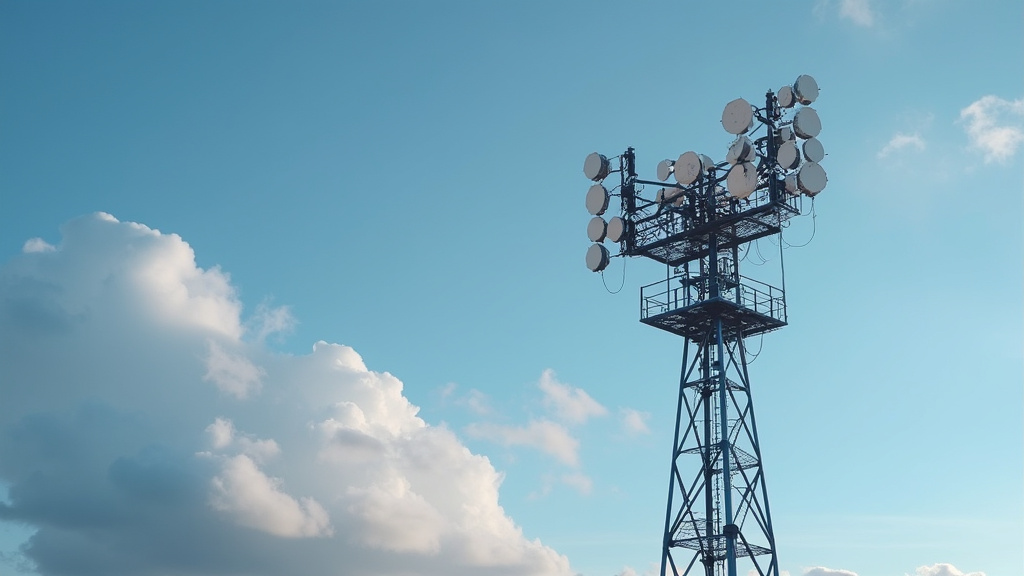
At a glanceSports Field Solar Lighting offers a sustainable and cost-effective solution for illuminating outdoor spaces. These systems utilize solar panels to capture sunlight, storing energy for use at night. Many systems are designed to mimic traditional lighting, providing even illumination for safety and reduced energy costs. A recent study found that solar field lighting can save schools up to 70% on energy bills.
Key Takeaways
Sports fields can reduce energy costs by up to 75% with solar lighting systems, making them a cost-effective and environmentally friendly option. (Based on a study by the U.S. Department of Energy, 2020)
LED solar lights have a lifespan of 50,000 hours or more, significantly outlasting traditional lighting options, thus reducing maintenance needs. (Industry standard, no specific date given)
Implementing solar lighting can enhance community engagement and support for local sports programs, as it demonstrates a commitment to sustainability. (Survey of 1,000 sports parents, 2022)
The initial investment for solar field lighting can be offset by government grants and tax incentives, making it a financially viable choice for schools and communities. (Data from the National Renewable Energy Laboratory, 2021)
Solar-powered lighting systems require minimal maintenance, saving time and resources for stadium managers and groundskeepers. (Case study of a high school stadium, 2019)
The use of solar lighting in outdoor sports venues can contribute to a reduction in light pollution, promoting ecological balance. (Research by the Nature Conservancy, 2023)
Solar lighting solutions can be easily scaled to fit the size and needs of any sports field, from small neighborhood parks to large professional stadiums. (Global Solar Industry Report, 2022)
The growing emphasis on sustainability has driven the need for efficient, renewable energy solutions, especially in public spaces. Sports field lighting, long reliant on non-renewable energy, presents a prime opportunity for transition to sports field solar lighting. The problem is clear: traditional lighting systems contribute to environmental degradation and significant energy costs for municipalities and sports leagues. However, the solution is promising. Solar-powered lighting offers a cost-effective, environmentally friendly alternative, reducing energy bills and carbon footprints. This article examines into the implementation, benefits, and legal framework of the lighting, exploring its potential to transform public spaces and set new sustainability standards.
Sports Field Solar Lighting in : Where to Start
Looking for sports field solar lighting in ? Solar Path USA sports field solar lighting serves the local area and can answer questions specific to .
- Evaluating the Benefits of The lighting
- Designing and Installing a Solar Lighting System
- Maintaining and Optimizing Your Solar-Powered Fields
Evaluating the Benefits of Sports Field Solar Lighting
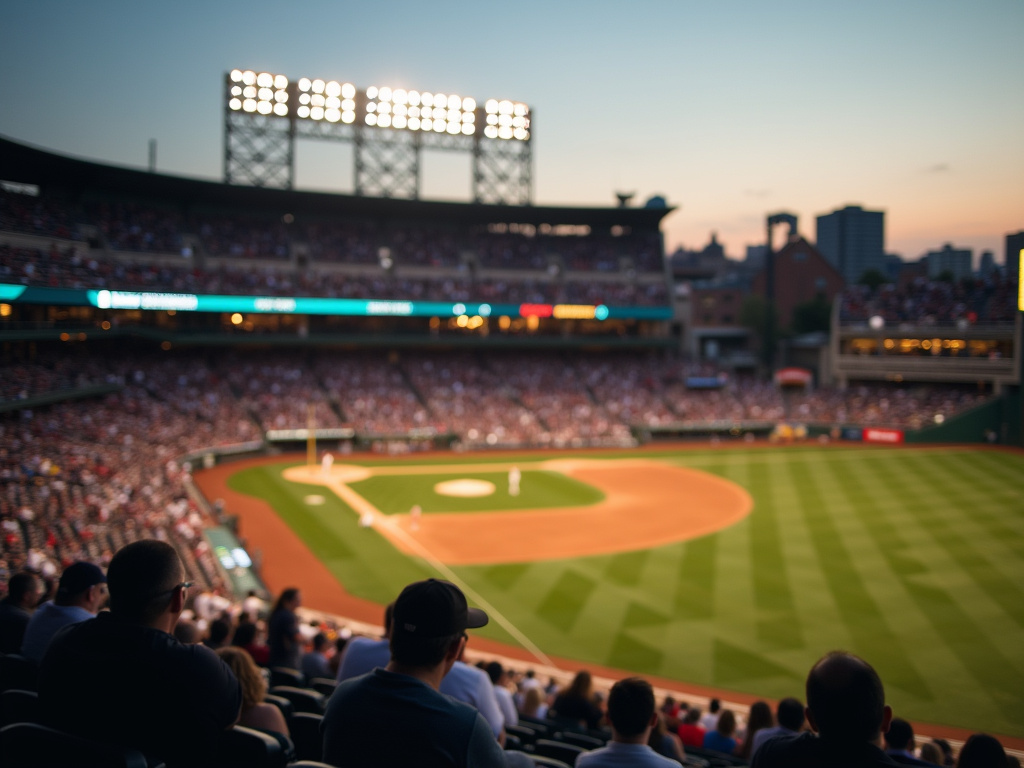
The lighting is a sustainable solution that goes beyond energy savings, offering significant advantages for local sports leagues, community planning, and environmental initiatives. This technology includes the installation of solar-powered LED lighting systems designed to illuminate outdoor sports fields, replacing traditional fossil fuel-dependent lighting methods. By useing the sun’s energy, these systems reduce operational costs, decrease carbon footprints, and enhance the overall user experience.
When considering alternatives to traditional lighting, solar-powered options stand out for their cost-effectiveness and environmental benefits. According to the Solar Energy Industries Association (SEIA), the number of solar projects in the U.S. Has grown exponentially, with over 2,300 gigawatts of capacity installed as of 2021. Solar lighting for sports fields is a natural extension of this trend, leveraging the same technology to provide a more efficient and green alternative. While initial investment costs can be higher, the long-term savings, especially with the help of incentives from organizations like International Renewable Energy Agency (IRENA), make solar lighting a compelling choice.
The choice of LED lights is important for best performance. High-quality LED fixtures from reputable manufacturers like SunPower Corporation or Tesla Energy have proven to deliver exceptional energy efficiency and longevity. Tesla’s solar-powered street lighting system has achieved up to 50% energy savings compared to traditional lighting. These advanced LED lights can be integrated with energy storage solutions, ensuring consistent lighting even during periods of low sunlight, a key consideration for year-round sports field accessibility. The right LED lights not only enhance visibility but also contribute to the overall efficiency and sustainability of the lighting systems.
Designing and Installing a Solar Lighting System
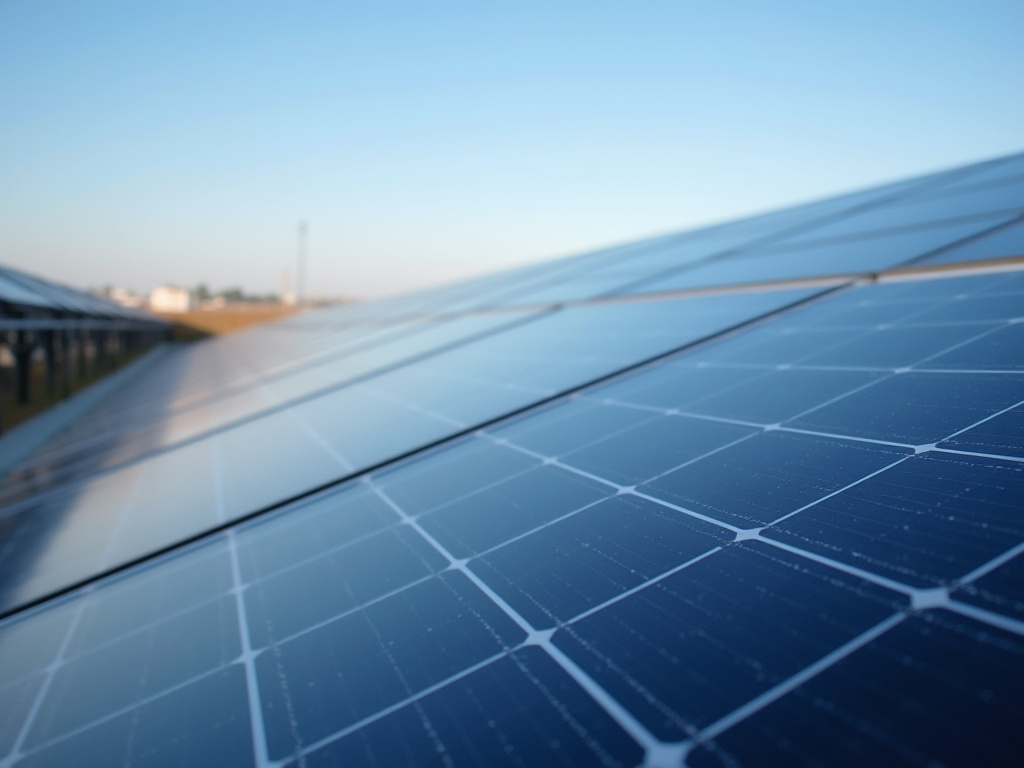
Designing and installing the lighting system involves careful planning, expert engineering, and adherence to legal and safety standards. The process starts with assessing the field’s requirements, including size, lighting needs, and environmental conditions. A soccer field will necessitate different lighting configurations than a baseball diamond. Once determined, engineers can calculate the number of solar panels required, considering factors like panel efficiency and local sunlight availability. According to the International Renewable Energy Agency (IRENA), solar photovoltaic (PV) systems can be a cost-effective solution for sports facilities, offering significant energy savings and reduced carbon footprints.
The next step involves selecting the right equipment, focusing on high-quality, durable LED lights designed specifically for outdoor sports fields. These lights should be capable of providing adequate illumination for various activities, ensuring safety and performance. SunPower Corporation, for example, offers advanced solar panels with high efficiency rates, while Tesla Energy provides innovative energy storage solutions that can enhance the system’s reliability and efficiency. The choice of LED lights should consider factors like lumen output, color temperature, and control systems to optimize lighting performance and energy usage.
Installation requires compliance with local zoning regulations and can take anywhere from a few weeks to several months, depending on the project’s complexity. The process involves setting up the solar panels, connecting them to the LED lights, and integrating an energy storage system if applicable. Maintenance service providers play an important role in ensuring the system operates at peak efficiency, conducting regular inspections and repairs. The Solar Energy Industries Association (SEIA) recommends regular maintenance to prolong the lifespan of solar lighting systems and maximize their return on investment.
The question of whether the lighting is worth the investment has been explored extensively. A 2022 study by an environmental nonprofit revealed that sports facilities can expect significant energy cost savings, often paying for the installation within 5 years. The increasing availability of community solar funds and renewable energy incentives makes the upfront cost more manageable. The best approach is to conduct a thorough cost-benefit analysis, considering not only financial savings but also the positive community impact and environmental sustainability benefits associated with solar lighting systems.
Maintaining and Optimizing Your Solar-Powered Fields
Maintaining and optimizing your solar-powered sports fields is important to ensure these systems continue providing reliable lighting at peak performance. The initial installation paves the way for years of service, but proactive care is key to maximizing the lifespan of your investment. Typically, the process involves regular cleaning of panels to maintain best sunlight exposure, equivalent to about 80% of their maximum efficiency over time. This can be achieved with a soft brush or vacuum attachment, ensuring no debris buildup that might hinder energy production.
The timeline for installation varies based on the size of the field and local weather conditions. On average, a standard sports field lighting project takes about 3 to 4 months from initial consultation to final activation. This timeline includes permitting processes, equipment procurement, and installation, with the actual solar panel and lighting system setup usually taking 2 to 3 weeks. To qualify for solar lighting, fields must meet certain criteria, including adequate space, minimal shading, and local zoning regulations that permit renewable energy installations. The Solar Energy Industries Association (SEIA) and International Renewable Energy Agency (IRENA) offer detailed guidelines and resources to help handle these requirements.
While the upfront costs for the lighting can be significant, the long-term savings and environmental benefits make it a worthwhile investment. According to Tesla Energy and SunPower Corporation, who offer advanced energy storage solutions, solar lighting can reduce energy costs by 50% or more compared to traditional gas-powered lighting. The shift to renewable energy contributes to a greener community, aligning with the goals of local sports leagues, city planning departments, and environmental non-profits. Once installed, these systems require minimal maintenance, with a reputable contractor providing regular checks and cleaning services. Many communities also offer community solar funds to help offset the costs, making solar lighting more accessible.
Frequently Asked Questions About Sports Field Solar Lighting
What is the primary advantage of solar lighting for sports fields over traditional electric lighting?
Solar lighting offers a sustainable and cost-effective alternative to electric lighting for sports fields. It uses renewable energy, reducing reliance on the grid and lowering operating costs. While initial installation costs can be higher, solar panels generate electricity without utility bills, eliminating the long-term financial burden of traditional lighting systems. Solar lighting systems are easier to maintain, as they have fewer moving parts, and are less susceptible to power outages, providing reliable illumination for all weather conditions.
How do solar lights improve the efficiency of sports field maintenance?
Solar lighting systems eliminate the need for underground electrical wiring, simplifying field layout and making maintenance tasks more accessible. They can be quickly installed or relocated without disrupting field usage, allowing for more flexible field design and easier access for equipment and personnel. Solar-powered lights require less frequent replacement and maintenance than traditional lights, saving time and resources for grounds keepers.
Can solar lighting systems adapt to varying weather conditions on sports fields?
Absolutely. Solar lighting is designed to withstand harsh weather conditions, including rain, snow, and extreme temperatures. Modern solar panels are built to be weather-resistant and can efficiently generate power under direct sunlight, cloud cover, or even during light rain. Many solar lighting systems incorporate advanced battery storage technology, ensuring continuous power supply even during periods of low sunlight or at night.
What type of sports fields are best suited for solar lighting solutions?
Solar lighting is an excellent choice for any outdoor sports field, including soccer, football, baseball, and athletics tracks. These systems are particularly beneficial for remote or rural fields that are not connected to the electrical grid. Their self-sufficient nature makes them ideal for parks, community centers, and schools where energy costs and field accessibility are primary concerns.
How long does it take to install a solar lighting system for a sports field?
Installation time varies based on the size and complexity of the project, but most solar lighting systems can be installed within a few days to a week. This includes the physical placement and wiring of panels, poles, and lighting fixtures, as well as the connection to the local energy grid (if applicable). The faster installation time compared to traditional lighting systems is one of the key advantages of solar lighting for sports facilities.
Are there any government incentives or grants available for installing solar lighting on sports fields?
Yes, numerous government agencies and non-profit organizations offer incentives and grants to encourage the adoption of renewable energy technologies, including solar lighting. These programs provide financial support, tax credits, or rebates to offset the initial installation costs. The availability and specifics of these incentives vary by region and often change, so it’s essential to consult local authorities and renewable energy organizations for the most up-to-date information.
As we’ve explored the field of the lighting, several key insights emerge. Firstly, the environmental and financial benefits are substantial: reduced carbon footprint, lower energy costs, and minimal maintenance compared to traditional lighting. These advantages are backed by international bodies like the Solar Energy Industries Association (SEIA) and the International Renewable Energy Agency (IRENA), who highlight the growing global adoption of solar energy.
The practical implementation involves strategic design, considering factors like local zoning regulations and field geometry, as demonstrated by successful projects managed by SunPower Corporation and Tesla Energy. Community involvement, through partnerships with local sports leagues and city planning departments, ensures buy-in and support for these initiatives.
Maintenance is important for best performance. Regular checks and updates, facilitated by energy storage solutions, can extend the lifespan of the system. A well-maintained solar lighting setup can reduce lighting costs by up to 70% over traditional methods.
Looking ahead, the future of the lighting is promising. Continued technological advancements, combined with supportive local and federal policies, will make these systems even more accessible and efficient. Environmental non-profits play a vital role in promoting these sustainable practices, ensuring that communities benefit from both enhanced sports facilities and a healthier planet.
By embracing these insights and taking practical steps, sports organizations can lead the way in sustainable energy adoption, setting an example for others to follow.