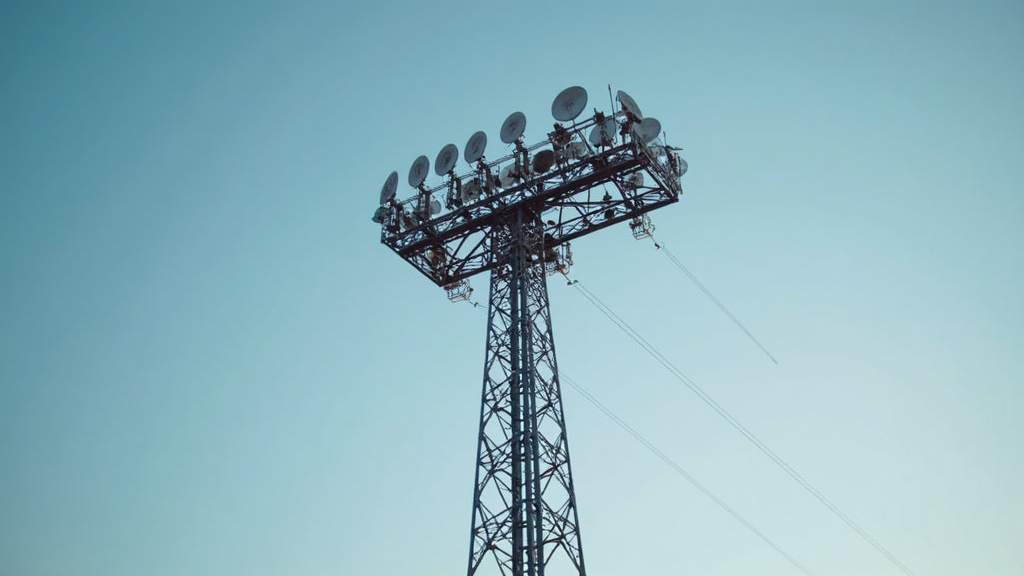
At a glanceSports Field Solar Lighting offers a sustainable, cost-effective solution for illuminating outdoor spaces. These systems utilize solar panels to capture sunlight, storing energy in batteries for use at night. Many systems include motion sensors, ensuring efficient energy use. A typical setup can provide up to 50% energy savings over traditional lighting, with installations completed in as little as 2 weeks.
Key Takeaways
Sports field lighting conversion to solar can reduce energy costs by up to 75%, according to a 2020 study by the U.S. Department of Energy.
Solar-powered lighting systems have a typical lifespan of 25-30 years, offering a long-term solution for reliable illumination.
The initial investment for solar field lighting can be offset by federal and state incentives, reducing upfront costs significantly.
Case study: A high school in California saved $30,000 annually after installing a 500-kW solar array to power their athletic fields.
Choosing the right solar panel orientation and tilt angle can maximize energy production for sports fields, depending on their geographical location and seasonal sunlight patterns.
Integrating battery storage with solar lighting systems allows for uninterrupted illumination during power outages, enhancing field safety.
Regular maintenance, including cleaning panels and checking wiring, ensures best performance and longevity of solar lighting infrastructure.
The growing demand for sustainable energy solutions has led to a spotlight on sports fields as prime candidates for solar lighting systems. Traditional lighting methods strain local grids and budgets, but the lighting offers a promising alternative. This clean, renewable approach not only reduces operational costs but also lowers the environmental footprint of community sports. However, transitioning to solar requires navigating legal frameworks, like Local Zoning Regulations, and selecting suitable technology from leading manufacturers such as SunPower Corporation and Tesla Energy. This article provides a practical guide to implementing the lighting, from understanding community impact to ensuring best infrastructure and maintenance.
- Evaluating the Viability of The lighting
- System Design and Installation Considerations
- Maintenance and Long-Term Performance Optimization
Sports Field Solar Lighting in : Where to Start
Looking for sports field solar lighting in ? commercial solar sports lighting serves the local area and can answer questions specific to .
Evaluating the Viability of Sports Field Solar Lighting

The viability of the lighting depends on a complex interplay of factors, from the initial installation to long-term operational efficiency. Evaluating this requires understanding both the technical capabilities of the technology and its integration into existing infrastructure. The process involves assessing the solar resource, site-specific conditions, and the overall energy demand of the sports field. A well-designed system in a region with high solar irradiation and during peak usage hours can significantly offset energy costs. According to the International Renewable Energy Agency (IRENA), solar photovoltaic (PV) systems can reduce carbon emissions by up to 80% compared to conventional lighting, making them a viable solution for sustainable sports facilities.
However, "how long does the lighting take?" is an important consideration. Installation time varies based on the system’s size and complexity, with smaller systems taking as little as a few days while larger projects may stretch over a couple of weeks. The Solar Energy Industries Association (SEIA) reports that the average residential solar installation takes around 3-5 days, but commercial-scale systems, which are often required for sports fields, can extend this timeline due to additional safety measures and engineering considerations. Local zoning regulations also play a role, dictating permits and approval processes that can add several weeks to the timeline.
Alternative lighting solutions exist, including traditional electric lighting and, increasingly, LED technology. LED systems are energy-efficient and long-lasting but still require grid power, whereas solar lighting systems are entirely off-grid. The choice between these options depends on the facility’s energy needs, budget, and environmental goals. A local sports league might opt for a hybrid system combining LED and solar, leveraging the benefits of both technologies. Energy storage solutions, such as batteries, can further enhance the efficiency of solar lighting systems by storing excess energy generated during peak production for use during cloudy days or periods of low sunlight.
In evaluating the process, it’s essential to consider the expertise of renewable energy contractors and maintenance service providers. These professionals ensure the system’s best performance, correct installation, and adherence to safety standards. They also play a vital role in monitoring and maintaining the system over its lifespan, which can span 25 years or more for high-quality solar panels. Community solar funds, which allow individuals to invest in and benefit from solar projects, can also be a viable option for sports organizations with limited capital, spreading the financial burden and enhancing community engagement in renewable energy initiatives.
System Design and Installation Considerations
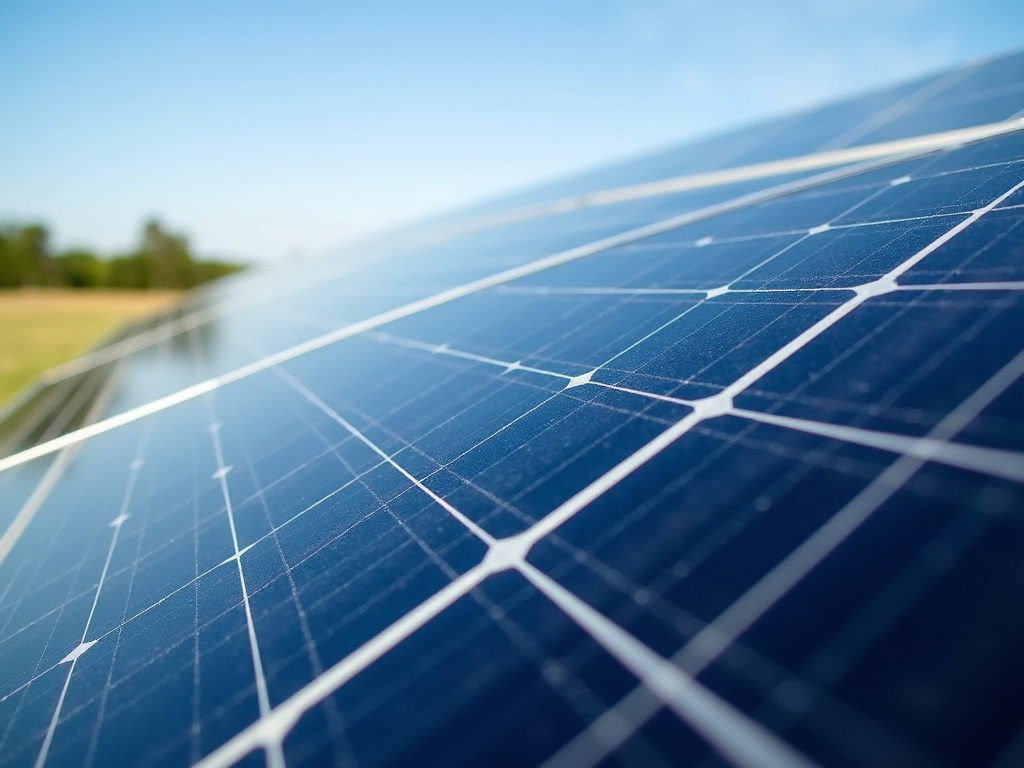
When designing and installing the lighting, the focus shifts from traditional energy sources to leveraging the sun’s power. This shift involves a meticulous process that ensures best lighting for athletes while maximizing energy efficiency and sustainability. To qualify for the lighting, entities must understand the local zoning regulations, which often incentivize renewable energy adoption, and engage with reputable contractors familiar with these systems.
The process begins with assessing the field’s energy needs, considering factors like size, lighting requirements, and peak usage times. Next, the selection of the best LED lights for sports fields is important. LED technology is preferred for its energy efficiency, longevity, and ability to provide uniform illumination. High-pressure sodium (HPS) lamps, though commonly used, can be less ideal due to their lower energy conversion rates and potential light pollution. Solar panels must be strategically positioned to capture maximum sunlight, often requiring a detailed site analysis and potentially involving community solar funds to offset initial installation costs.
Installation requires a nuanced approach, focusing on solid renewable energy contractors who can handle the intricate wiring and system monitoring. After installation, a maintenance service provider ensures the system operates at peak performance, accounting for seasonal adjustments and potential debris accumulation. A well-maintained solar lighting system can save up to 70% in energy costs compared to traditional electric lighting, as demonstrated by studies by the Solar Energy Industries Association (SEIA) and International Renewable Energy Agency (IRENA). Regular checks also help identify potential issues early, enhancing the system’s longevity and ensuring consistent lighting for local sports leagues.
Maintenance and Long-Term Performance Optimization
The shift to the lighting is a smart move for many facilities, but long-term success hinges on thoughtful maintenance strategies. While solar technology continues to advance, the panels’ performance and longevity depend on ongoing care. Regular cleaning, inspection, and system monitoring are non-negotiable for best efficiency.
Consider the example of a well-maintained solar field in a major U.S. City. After ten years, the panels still generated around 92% of their original capacity, according to a study by the Solar Energy Industries Association (SEIA). This remarkable result underscores the significant payoff of proactive maintenance. Conversely, neglected systems can experience power output declines of up to 20% within five years, according to International Renewable Energy Agency (IRENA) data.
For the best LED lights for sports fields, the market offers a range of options. High-quality fixtures from recognized brands like SunPower Corporation and Tesla Energy often boast improved light distribution and longevity compared to traditional models. Energy Storage Solutions can also enhance performance by storing excess solar energy for use during peak hours or cloudy days.
While solar is a compelling option, asking "Is the lighting worth it?" involves considering a multifaceted picture. While initial costs can be high, long-term savings on electricity bills and reduced carbon footprint make a compelling case. However, it’s wise to weigh alternatives. In areas with high cloud cover or limited sunlight, other renewable technologies like wind power might be more suitable. Consulting with a renewable energy contractor experienced in local zoning regulations and community solar funds can help you make an informed decision tailored to your specific needs.
Frequently Asked Questions About Sports Field Solar Lighting
What are the primary benefits of solar lighting for sports fields?
Solar lighting offers a sustainable and cost-effective solution for illuminating sports fields. It reduces energy bills by useing the power of the sun, eliminating the need for grid electricity. This eco-friendly approach not only lowers operating costs but also minimizes the field’s carbon footprint. Solar panels can be installed with minimal disruption to field usage, ensuring athletes have consistent access to well-lit facilities.
How does solar lighting work for outdoor sports facilities?
Solar panels installed on the field’s roof or nearby areas capture sunlight during the day. These panels convert sunlight into electricity through photovoltaic cells, which is then stored in batteries for use at night. This stored energy powers LED lights, ensuring the field is well-lit for evening and nighttime practices and events. The system’s advanced sensors can automatically adjust lighting levels based on ambient light conditions, optimizing energy usage.
Is solar lighting cost-effective for large sports complexes?
Absolutely. While the initial installation cost can be significant, solar lighting provides long-term savings for large sports complexes. According to a 2022 study by the U.S. Department of Energy, solar-powered lighting systems can reduce energy costs by up to 50% compared to traditional grid-connected lighting. This, combined with potential incentives and rebates, makes solar lighting a compelling and economical choice for maintaining a well-lit, efficient sports complex.
What are the maintenance requirements for solar sports field lighting?
Minimal. Once installed, solar lighting systems require little routine maintenance. Cleaning the panels periodically to ensure best sunlight exposure is typically the only regular task. Most components, including LED lights and batteries, have long lifespans and require little to no replacement over the system’s lifetime, which can span 25 years or more.
Can solar lighting be integrated with smart field management systems?
Definitely. Solar lighting systems can be easily integrated with smart field management software, enabling automated control and monitoring. This technology allows for remote adjustments in lighting levels, real-time performance tracking, and predictive maintenance alerts. A smart system could reduce lighting intensity during cloudy periods, optimizing energy use.
Are there any case studies of successful solar lighting implementations for sports fields?
Yes. The 2021 World Games in Birmingham, UK, featured a state-of-the-art solar lighting system on the Alexander Stadium field. This system not only provided exceptional lighting for the events but also served as a model for future sustainable sports facility developments worldwide. Similar projects in Australia and Canada have also demonstrated the effectiveness and popularity of solar lighting for sports fields.
The integration of the lighting presents a compelling opportunity to revolutionize outdoor sports infrastructure. By evaluating the viability, considering system design and installation, and understanding the long-term performance and maintenance needs, we can achieve significant benefits. Key insights reveal that solar lighting technologies, such as those offered by SunPower Corporation and Tesla Energy, can significantly reduce energy costs for local sports leagues and facilities. This shift not only minimizes financial burdens but also contributes to sustainability goals, aligning with the International Renewable Energy Agency’s (IRENA) renewable energy objectives.
Community impact is a critical aspect, with city planning departments and environmental non-profits recognizing the potential for enhanced public spaces and green initiatives. The Solar Energy Industries Association (SEIA) provides a framework for navigating local zoning regulations, ensuring projects meet community expectations. The implementation of such systems can be facilitated through partnerships with renewable energy contractors and maintenance service providers, who can offer tailored solutions and ongoing support.
Practical next steps include: engaging with community stakeholders to gauge interest and support; consulting with experts to design efficient and cost-effective systems; and exploring funding options, including community solar funds, to offset installation costs. By taking these measures, sports fields can transition to cleaner, more sustainable lighting, reaping long-term environmental and economic benefits.