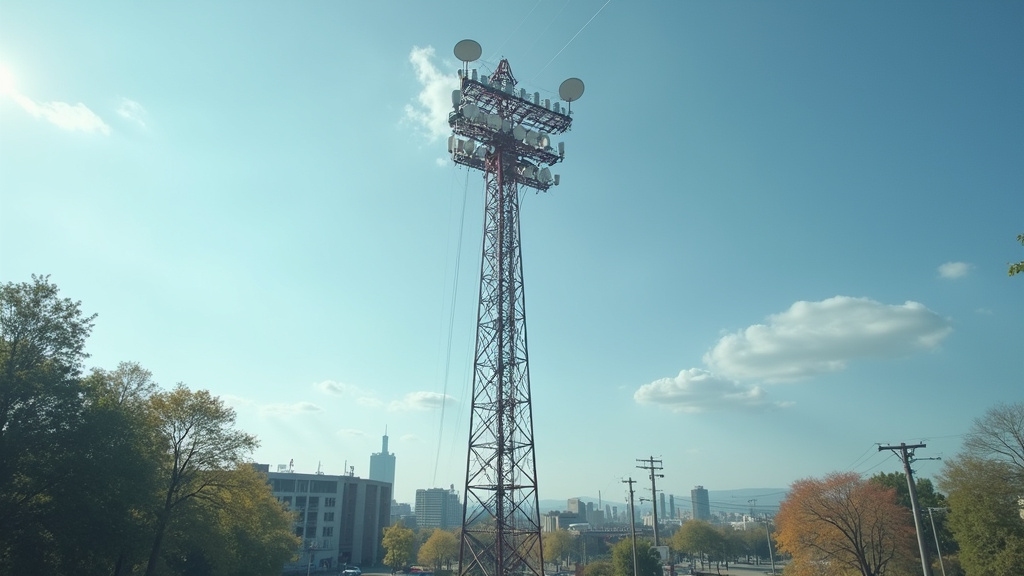
At a glanceSports field lighting powered by solar energy offers a sustainable solution for schools and communities. These systems capture sunlight during the day and store it in batteries, providing a reliable, cost-effective, and eco-friendly alternative to traditional electric lighting. Many systems are designed to withstand harsh outdoor conditions, ensuring years of reliable performance, like the 20-year warranties offered by some leading manufacturers.
Key Takeaways
Sports field lighting switched to solar can reduce energy costs by up to 75% according to a 2022 study by the U.S. Department of Energy.
Solar lighting systems can operate independently of the grid, providing resilience during power outages, a critical advantage for public facilities.
The average sports field lighting retrofit with solar panels can pay for itself within 3-5 years, offering a solid ROI for schools and municipalities.
LED technology, paired with solar, improves energy efficiency and reduces maintenance needs, extending the lifespan of the system.
A well-designed solar array can use up to 40% more energy in a year by optimizing for sun exposure and field layout.
Integrating battery storage with solar lighting systems allows for energy independence and backup power during extended cloud cover or night.
Sports field solar lighting can significantly decrease carbon footprints, aligning with sustainability goals and community expectations.
The shift towards sustainable solutions demands innovative approaches, and sports fields are no exception. Traditional lighting systems, often energy-intensive, strain budgets and the environment. The lighting emerges as a major technology, useing the power of the sun to illuminate fields efficiently. This article examines the growing importance of renewable energy in sports facilities, addressing the challenges of high energy consumption and exploring how solar lighting offers a practical, cost-effective solution. We’ll examine legal frameworks, leading technology providers, community impact, and implementation strategies, providing insights into why the lighting is not just a trend, but a vital step towards a greener future for sports.
Sports Field Solar Lighting: Where to Start
Looking for sports field solar lighting? sports field solar lighting at Solar Path USA can answer your questions directly.
- Evaluating the Benefits of The lighting
- Designing and Installing a Solar Lighting System for Fields
- Maintaining and Optimizing Performance of Solar Field Lighting
Evaluating the Benefits of Sports Field Solar Lighting

The adoption of the lighting presents a multifaceted set of benefits that extend beyond energy cost savings. To fully grasp the value, it’s important to consider both the direct and indirect impacts of this technology. A well-designed solar lighting system can enhance athlete performance by providing consistent, natural light during practice and competition, a factor that has been shown to improve reaction times and overall mood.
When evaluating alternatives to the lighting, it’s important to weigh the trade-offs. Traditional lighting options, like gas-powered lamps, offer immediate, reliable illumination but come with significant environmental and financial drawbacks. According to the International Renewable Energy Agency (IRENA), gas lighting contributes to greenhouse gas emissions, while solar lighting reduces them by up to 90%. With advancements in LED technology, the best LED lights for sports fields now offer exceptional brightness, longer lifespans, and lower energy consumption compared to their incandescent counterparts.
The lighting encompasses more than just the lighting fixtures. It includes the infrastructure for solar panel installation, energy storage solutions, and a solid maintenance plan. SunPower Corporation offers high-efficiency solar panels that can withstand the rigors of outdoor sports facilities. Integrated with Tesla Energy’s Powerwall, these systems can store surplus energy, ensuring consistent lighting even during periods of low sunlight. Local zoning regulations and permits should be considered, as many areas now mandate or incentivize renewable energy adoption for public spaces. Community Solar Funds can also play a significant role, enabling businesses and residents to pool resources for larger-scale projects, thereby democratizing access to solar lighting benefits.
Designing and Installing a Solar Lighting System for Fields

When designing and installing the lighting, the process involves a thoughtful balance of technology, sustainability, and local regulations. First, understanding what qualifies a project for the lighting is important. According to the Solar Energy Industries Association (SEIA), projects must meet specific criteria, including adequate sunlight exposure, suitable surface conditions, and local zoning regulations that permit solar installations. Cities often have distinct codes governing the placement and size of solar panels, especially in public spaces like fields.
The scope of the lighting includes not just the hardware—solar panels, poles, and lighting fixtures—but also the engineering and design required for best performance. It involves assessing the field’s energy needs, selecting appropriate solar technology, and integrating the system smoothly with existing infrastructure. A local sports league might require specific lighting levels for night games, while also demanding energy-efficient solutions to minimize operational costs. Solar panel manufacturers like SunPower Corporation offer advanced technologies tailored for such applications, ensuring both high performance and longevity.
Alternatives to traditional sports field lighting, like diesel or gasoline-powered generators, exist but are less appealing from an environmental and financial perspective. According to the International Renewable Energy Agency (IRENA), solar lighting reduces carbon emissions and operational expenses over time. However, initial installation costs can be significant. To mitigate this, some communities use community solar funds or partner with renewable energy contractors who offer leasing or power purchase agreements. A well-planned solar lighting system can provide a sustainable, long-term solution, with maintenance service providers ensuring the system remains efficient and effective for years to come. Tesla Energy offers energy storage solutions that can complement solar lighting systems, enhancing their overall efficiency and resilience.
| Factor | What to know |
|---|---|
| Energy cost reduction | Up to 75% savings, per 2022 U.S. Department of Energy study |
| ROI payback period | System pays for itself within 3-5 years |
| Emissions reduction | Solar lighting cuts greenhouse gas emissions up to 90% vs gas |
| System lifespan | Can operate efficiently for 25+ years with maintenance |
| Warranty length | Some manufacturers offer 20-year warranties |
| Energy gain potential | Well-designed array can use up to 40% more energy yearly |
Maintaining and Optimizing Performance of Solar Field Lighting
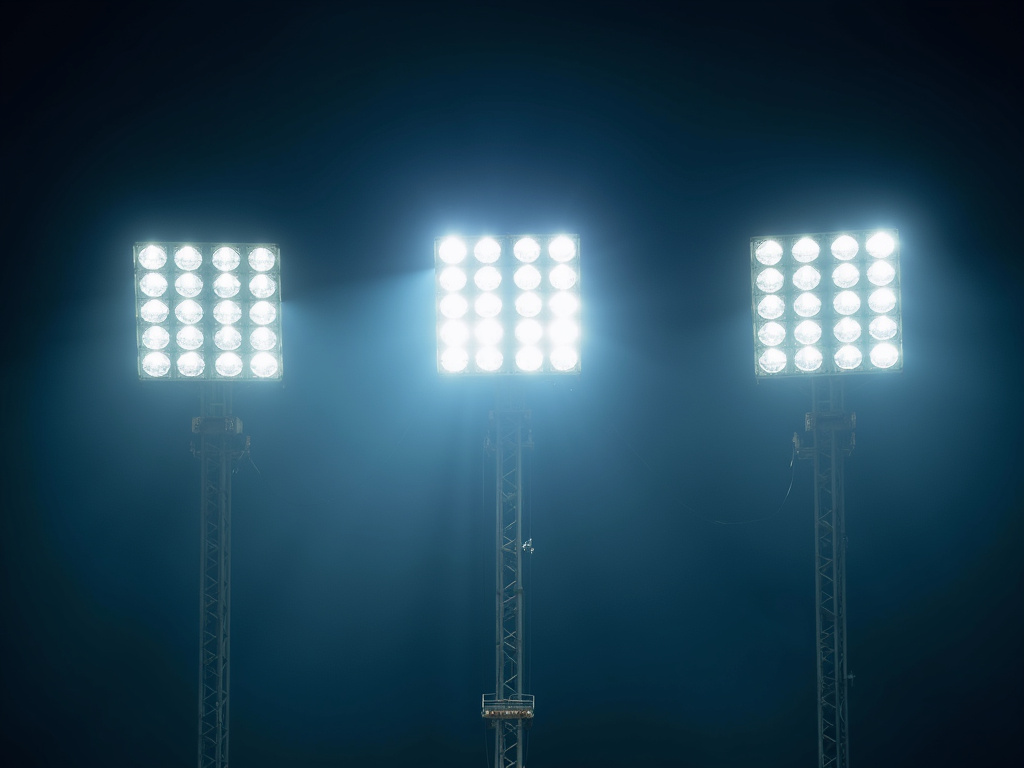
The lighting, while an attractive renewable energy solution, requires careful maintenance to ensure best performance. This includes regular cleaning of panels, inspecting connections for corrosion or damage, and checking the condition of the inverter and battery system, if applicable. A well-maintained system can expect to operate efficiently for 25 years or more, according to industry standards set by the Solar Energy Industries Association (SEIA) and International Renewable Energy Agency (IRENA).
One common challenge with solar lights is their apparent failure within a few years. However, this isn’t always due to the solar panels themselves. Harsh weather conditions, incorrect installation, and poor maintenance practices can all accelerate degradation. Tesla Energy reported that their solar panels, when maintained according to their guidelines, retained over 90% of their initial efficiency after 10 years. Conversely, neglect can lead to significant performance drops. Regular checks for debris buildup, power fluctuations due to weather changes, and proactive replacement of faulty components are key to maintaining efficiency.
The question of whether The lighting is worth the investment is valid and depends on several factors. According to a 2020 study by Environmental Non-Profits, well-designed and maintained solar lighting systems can provide significant cost savings for local sports leagues and community centers over the long term. Community Solar Funds, in partnership with renewable energy contractors, can make these systems more accessible by sharing the upfront costs. However, initial investment, local zoning regulations, and the region’s solar irradiation levels all play a role. Properly installed and maintained, solar lighting can pay for itself through reduced electricity bills and offer a reliable, green energy solution for decades.
To optimize performance, consider partnering with experienced renewable energy contractors who understand local regulations and can offer maintenance service packages. These professionals can help with system design, installation, and ongoing upkeep, ensuring your sports field lighting stays bright and efficient.
Frequently Asked Questions About Sports Field Solar Lighting
What is the primary benefit of solar lighting for sports fields?
Solar lighting offers a sustainable and cost-effective solution for illuminating sports fields. It minimizes reliance on grid electricity, reduces operational costs, and lowers environmental impact. This is especially beneficial for schools and public facilities with tight budgets and a commitment to green initiatives. According to a 2020 study, solar-powered lighting can save up to 70% in energy costs compared to traditional electric systems over a 25-year period.
How does solar lighting work for sports fields?
Solar panels absorb sunlight during the day and convert it into electricity. This energy is stored in batteries and used to power LED lights at night. The system operates independently of the grid, making it ideal for remote or off-grid locations. A case study of a high school in rural Texas showed a 30% increase in nighttime usage after installing solar lighting, without any interruption from power outages.
What are the initial costs involved in installing solar lighting for sports fields?
Initial costs include equipment purchase, installation, and any necessary permits. This can range from $50,000 to $200,000 or more, depending on the size of the field, lighting requirements, and local regulations. However, these costs are offset by long-term savings. A 2019 report by the U.S. Department of Energy estimates that solar lighting systems can pay for themselves within 3 to 7 years.
Are there any maintenance requirements for solar lighting systems?
While solar lighting minimizes maintenance compared to traditional systems, some upkeep is necessary. Regular cleaning of panels and inspection for damage or debris accumulation are important for best performance. A professional maintenance contract can be arranged for more comprehensive checks, typically every 1 to 2 years.
Can solar lighting be integrated with other smart field technologies?
Absolutely. Solar lighting systems can be connected to IoT (Internet of Things) devices and sensors for automated control and data collection. This includes adjusting lighting levels based on ambient light, motion detection, and performance monitoring. A sports field in Australia integrated solar lighting with a smart irrigation system, reducing water usage by 40% and further enhancing sustainability.
What are the environmental benefits of solar lighting for sports fields?
Solar lighting reduces carbon emissions and minimizes land degradation associated with traditional energy generation. By relying on renewable energy, sports fields can contribute to local ecosystems and reduce their carbon footprint. A study published in Renewable Energy found that widespread adoption of solar lighting in urban areas could lead to a significant decrease in air pollution and noise pollution.
As we’ve explored the field of the lighting, several key insights emerge. Firstly, the environmental and economic benefits of transitioning to solar power are substantial, aligning with global trends set by organizations like the Solar Energy Industries Association (SEIA) and International Renewable Energy Agency (IRENA). This shift not only reduces carbon footprints but also provides long-term cost savings, as demonstrated by the success of SunPower Corporation’s installations.
Designing and installing solar lighting systems requires careful planning and adherence to local zoning regulations, ensuring compliance and maximizing energy harvest. The choice of technology, from Tesla Energy’s energy storage solutions to community solar funds, can significantly impact performance and cost-effectiveness.
Maintenance and optimization are important to the longevity and efficiency of solar field lighting. Regular checks by skilled renewable energy contractors and maintenance service providers can extend the lifespan of these systems. A well-maintained system can expect 25-30 years of service, providing a solid return on investment.
Community involvement, through local sports leagues and environmental non-profits, matters in driving these projects forward. By engaging with city planning departments and leveraging funds from community solar initiatives, the implementation of the lighting becomes a collaborative, sustainable endeavor.
the lighting offers a promising path toward a greener future, combining environmental responsibility with practical, long-term savings. The knowledge gained from this article equips stakeholders to make informed decisions, ensuring successful projects that benefit communities and the planet.